MenuReserve My Seat At The Workshop
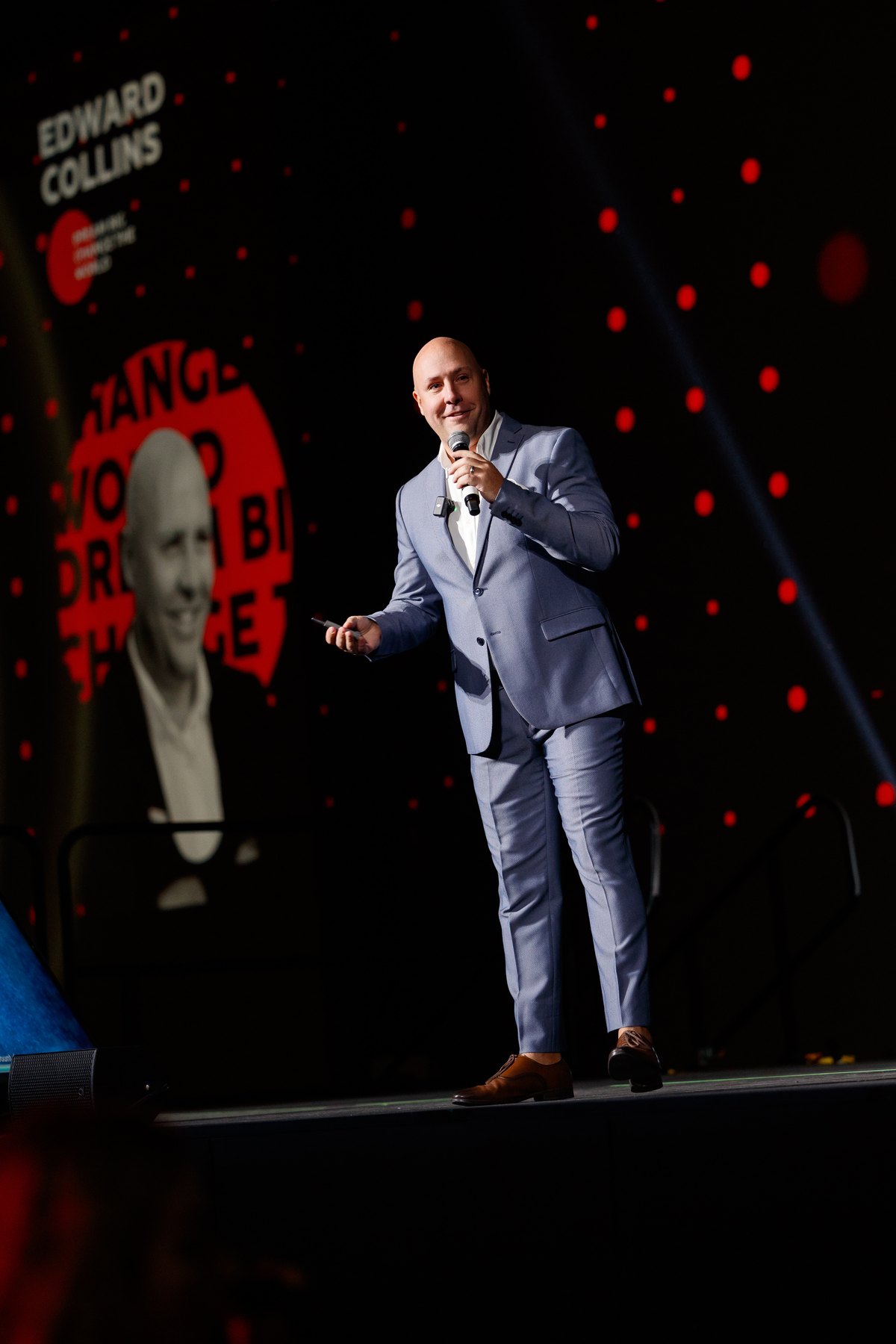
Edward Collins
JD · CFP® · AAMS · RFC
Jimmy Buffett spent his life writing about freedom, family, and the inheritance of a way of life. Yet even with a $275M estate and a trust in place, his legacy became entangled in conflict. This article explores why legacy plans don’t fail because of money or documents ... but be

In Son of a Son of a Sailor, Jimmy Buffett sings about lineage … not just bloodlines, but the passing down of values, perspective, and identity.
That’s what most families think legacy planning is about. And yet, when legacy is reduced to documents alone, the very thing people are trying to preserve can fracture under pressure.
For high-income business owners and investors, the greatest risk to legacy isn’t estate tax or probate … it’s ambiguity.
When authority isn’t clear, when roles aren’t defined, and when expectations remain unspoken, wealth becomes a stress test on relationships.
Legacy doesn’t fail in theory. It fails in practice … when the framework can’t support the people left behind.

Legacy isn’t what you leave behind. It’s what your family is able to carry forward … without conflict.
Edward Collins
In Son of a Son of a Sailor, Buffett reflects on inherited identity … how one generation passes more than assets to the next. It’s about pride, continuity, and the quiet responsibility of stewardship.
That makes what happened after his death so instructive.
By every outward measure, Buffett did what most people are told to do. He had a trust. He named people he trusted. He intended continuity, privacy, and stability.
And yet …
Buffett’s estate became the subject of a very public dispute between his wife and longtime business manager … co-trustees tasked with carrying out his wishes.
Exactly the kind of outcome trusts are meant to avoid.
This is where the conversation usually goes wrong.
Buffett’s estate didn’t unravel because he failed to plan.
It unraveled because planning stopped at the document.
Trusts don’t operate themselves.
They’re run by people … under grief, stress, and scrutiny.
When decision-making authority, accountability, and incentives aren’t designed intentionally, a trust alone isn’t enough.
Most estate plans don’t fail because of money.
They fail because the human system was never designed.
Revocable trusts are powerful tools. They:
But here’s the distinction that separates basic planning from intentional legacy:
A trust is infrastructure.
Legacy requires governance.
Infrastructure answers where assets live.
Governance answers how decisions get made when emotions run high.
Buffett’s plan handled the first.
It struggled with the second.
In our November 2025 Uplevel Protégé Mastermind, we gathered together to address this exact issue. We talked about governance and Family Constitutions. We talked about the shortfalls of relying on documents alone when principles and values need to be the actual foundation.
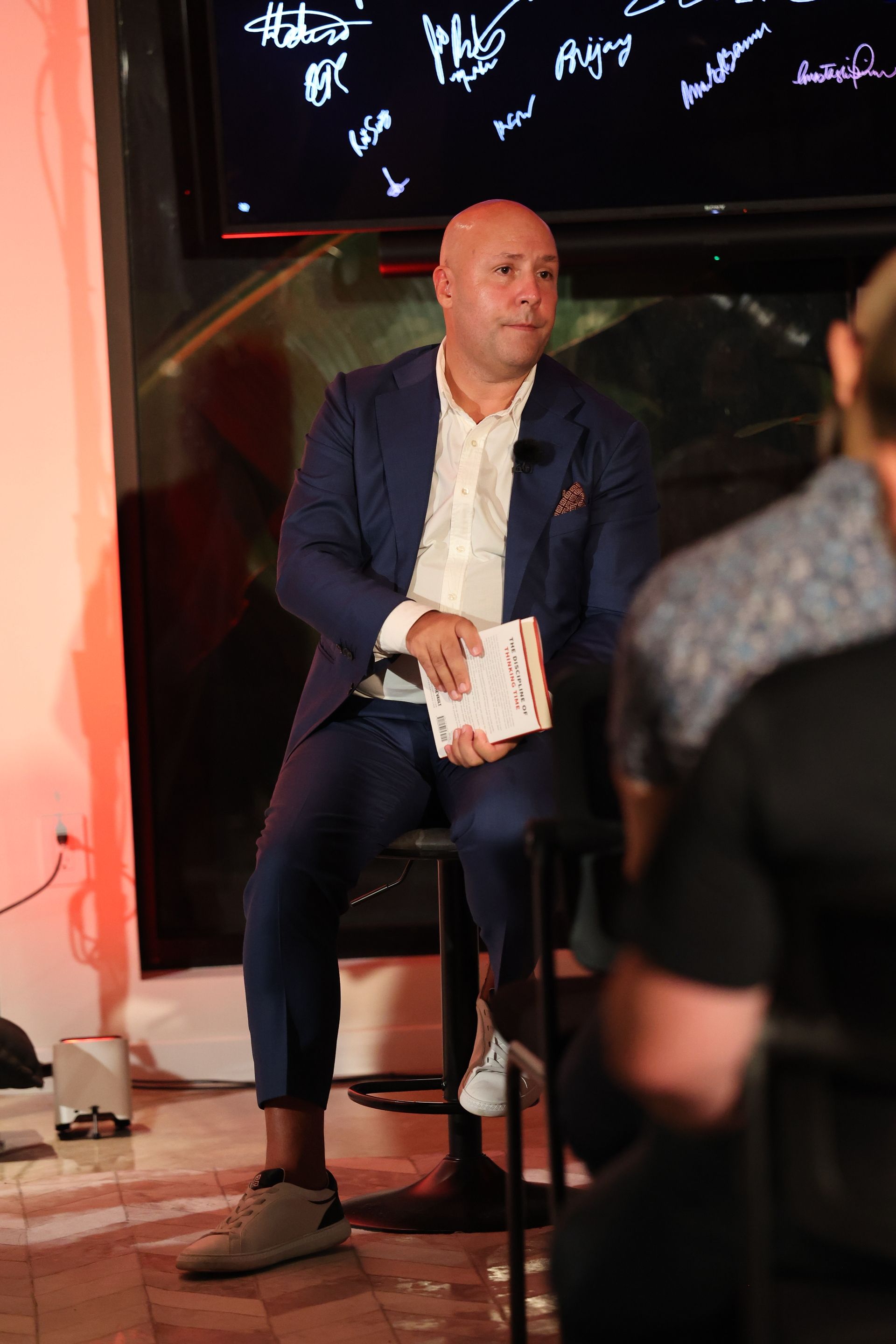
Edward dropping nuggets of wisdom in preparation for a few days of deep conversations about family values around money.

Edward discussing how “Legacy” fits into the Real Wealth Matrix framework and factors that should not be overlooked.
Most legacy plans don’t fail because of:
They fail because of:
When those gaps exist, courts step in … not because anyone intended harm, but because no framework existed to resolve the conflict.
Legacy isn’t protected by good intentions.
It’s protected by clarity … before it’s needed.
Buffett’s estate highlights lessons every family should take seriously:
None of this is about mistrust.
It’s about realism.
The song isn’t about money.
It’s about continuity.
About identity passed hand to hand.
About leaving something intact enough to be honored … not fought over.
That’s what intentional legacy planning is meant to do.
Not just transfer wealth.
But preserve relationships.
You don’t need a meeting for this one. Open your own plan tonight and answer four questions … while you’re still the one who can change the answers.
Four questions. If any answer is “I’m not sure,” that isn’t a document problem.
It’s a governance gap … and governance gaps only surface when the person who could have closed them is gone.
You don’t need a $275M estate to face these risks.
You just need:
Legacy isn’t automatic.
Like freedom …
it has a framework.

Subscribe and the rest of this issue opens now … plus the full archive, and next Tuesday’s issue in your inbox.
Free · Weekly on Tuesdays · 11,000+ readers · Unsubscribe anytime
The Uplevel Community … our online education community for self-made business owners.
Join The CommunityUplevel University … group coaching and education across the Four Pillars of the Real Wealth Matrix.
Explore Uplevel UniversityUplevel Protégé … our 1:1 consulting program, by invitation. Raise your hand and we’ll review your situation.
See If You QualifyWeekly, on Tuesday morning … one concept, taught so you can act on it. No noise, no filler.
Subscribe To Freedom Has A Framework