MenuReserve My Seat At The Workshop
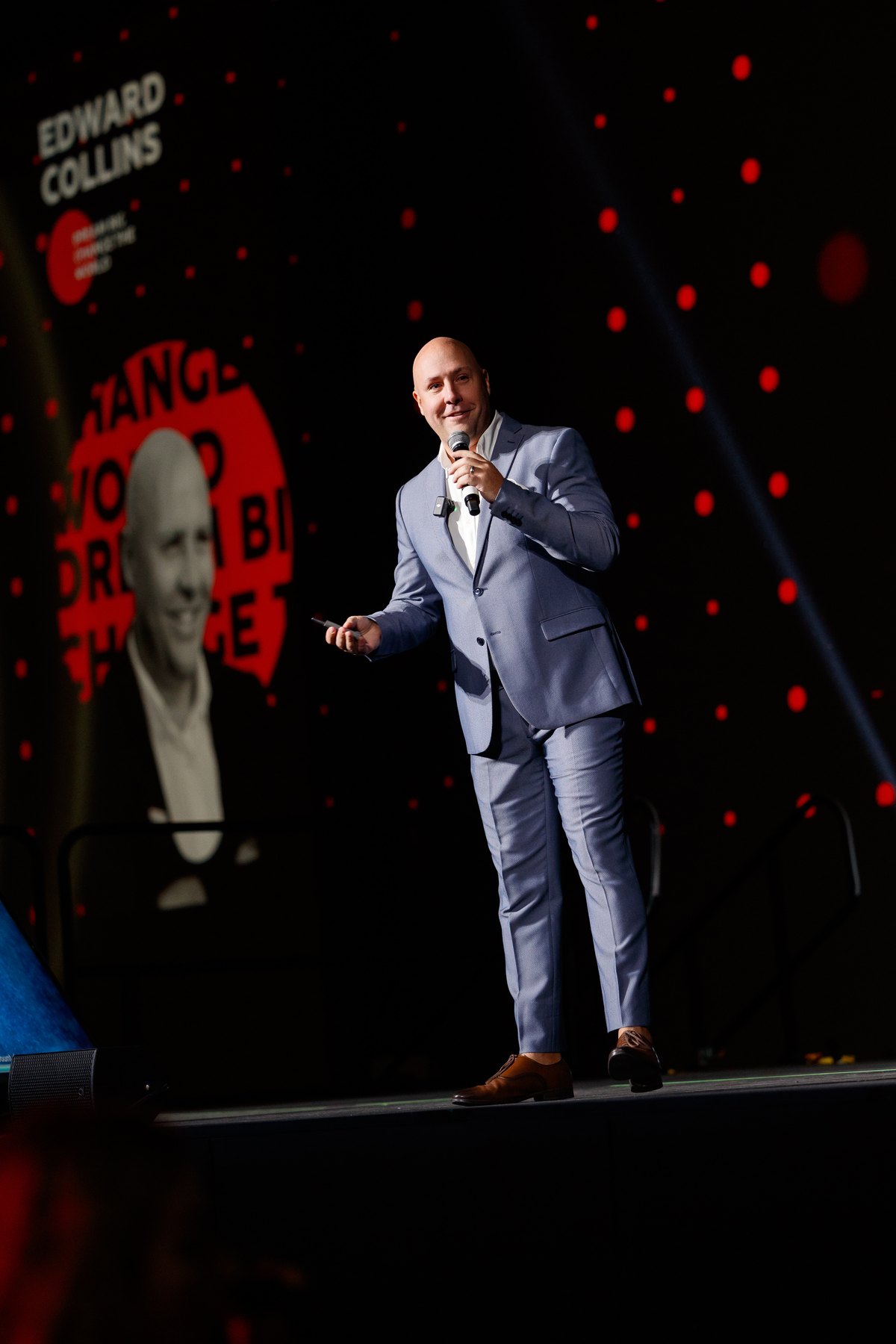
Edward Collins
JD · CFP® · AAMS · RFC
Charitable giving is often treated as a year-end tax move, but for sophisticated families, it’s something much bigger. This article reframes charitable planning as an extension of intentional legacy ... how values, stewardship, and wealth transfer intersect ... and why the right

Most high-income earners give generously … but very few give intentionally.
Donations tend to be reactive. They follow an income spike, a liquidity event, or a December scramble to shave the tax bill.
The tax benefit is real. The deeper opportunity is the one that gets missed … using charitable strategy to align wealth, values, and legacy across generations.
For business owners, professionals, and investors building long-term wealth, charitable planning is not just about reducing taxable income. It is about designing a system that lets capital do meaningful work … during your lifetime and beyond … while reinforcing the principles you want carried forward.
Done well, charitable strategy stops being a line item. It becomes a stabilizing force inside the family’s broader wealth framework.

Charitable giving isn’t the end of a wealth plan.
It’s one of the clearest expressions of what that plan stands for.Edward Collins
The tax code has allowed deductions for charitable contributions for decades. That part isn’t new.
What gets overlooked is how many different ways giving can be structured … and how dramatically the structure changes both the impact and the long-term outcome.
At a basic level, giving reduces taxes.
At a strategic level, it shapes legacy.
The difference lives in the design.
Most people treat a donation as an isolated act:
For high-income families, that approach leaves value on the table … financially and philosophically.
Intentional charitable planning holds four things in view at the same time:
Miss any one of them and you still get the deduction.
You just don’t get the legacy.
Giving without structure is generosity.
Giving with structure is legacy.
There’s no shortage of charitable tools available. The key isn’t knowing what exists … it’s knowing why and when to use each one.
Donor-Advised Funds (DAFs)
Ideal for families who want simplicity, flexibility, and the ability to separate the tax event from the charitable decision. DAFs allow donors to contribute appreciated assets, receive an immediate deduction, and distribute grants over time … often involving the next generation in the process.
Fits when: you want the deduction now and the decision later.
Charitable Remainder Trusts (CRTs)
Best suited for those with highly appreciated assets who want to convert illiquid wealth into income while still supporting charitable causes. CRTs are less about convenience and more about sequencing … balancing income needs, tax efficiency, and philanthropy.
Fits when: the asset is appreciated and illiquid, and you need income from it before the charity ever sees it.
Private Foundations
Designed for families seeking maximum control and long-term influence. Foundations introduce governance, compliance, and administrative responsibility … but they also create a platform for teaching stewardship, decision-making, and accountability across generations.
Fits when: you want the giving itself to become a family institution … and you’re willing to run one.
Direct Giving
Simple, effective, and often overlooked as part of a larger plan. Direct donations work best when coordinated intentionally with income, asset disposition, and broader tax strategy.
Fits when: the gift is straightforward and the timing is already coordinated with the rest of the year’s tax picture.
Each vehicle serves a purpose … but none of them are the purpose.

When properly structured, giving isn’t just about dollars and cents. It’s about having a real impact.
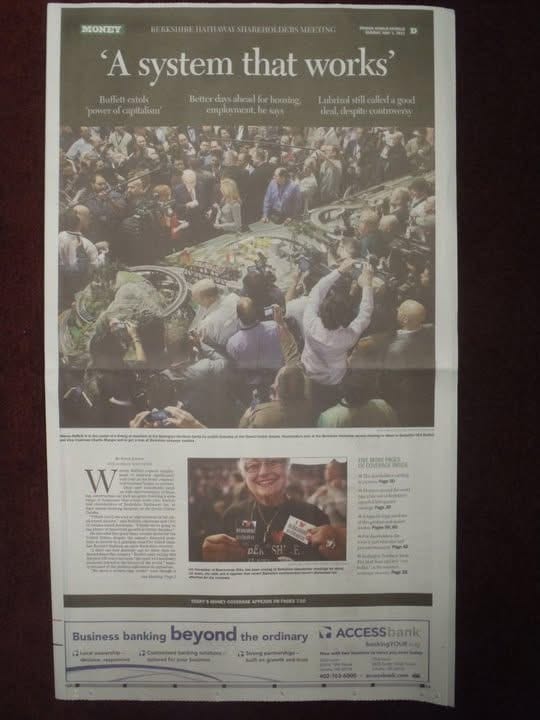
Edward Collins captured on camera watching Warren Buffett address fellow shareholders about gifting wealth at the Berkshire Hathaway Shareholders Meeting in Omaha, NE. Drop a comment if you’re able to pick him out of the crowd.
Sophisticated charitable planning isn’t about piling on structures.
It’s about alignment:
In some cases, that may involve advanced structures … such as contributing appreciated assets through an entity structure to preserve holding periods and optimize deductions. In others, simplicity is the right answer.
The framework matters more than the tool.
The best charitable strategy isn’t the most complex one.
It’s the one that fits cleanly into the rest of your wealth framework.
You don’t need a tax projection to know where you stand. You need honest answers to four questions … today, not the December you’re trying to solve.
Any question you can’t answer cleanly isn’t a giving problem.
It’s a design gap … and if you leave it open, it will pick the vehicle for you.
Charitable giving is one of the few places where tax efficiency and human impact intersect directly.
Handled casually, it’s a deduction.
Handled intentionally, it’s a declaration.
A declaration of values.
Of priorities.
Of what matters beyond the balance sheet.
And like every other part of enduring wealth …
Freedom has a framework.

Subscribe and the rest of this issue opens now … plus the full archive, and next Tuesday’s issue in your inbox.
Free · Weekly on Tuesdays · 11,000+ readers · Unsubscribe anytime
The Uplevel Community … our online education community for self-made business owners.
Join The CommunityUplevel University … group coaching and education across the Four Pillars of the Real Wealth Matrix.
Explore Uplevel UniversityUplevel Protégé … our 1:1 consulting program, by invitation. Raise your hand and we’ll review your situation.
See If You QualifyWeekly, on Tuesday morning … one concept, taught so you can act on it. No noise, no filler.
Subscribe To Freedom Has A Framework